Nurse educators are key to growing California’s nursing workforce
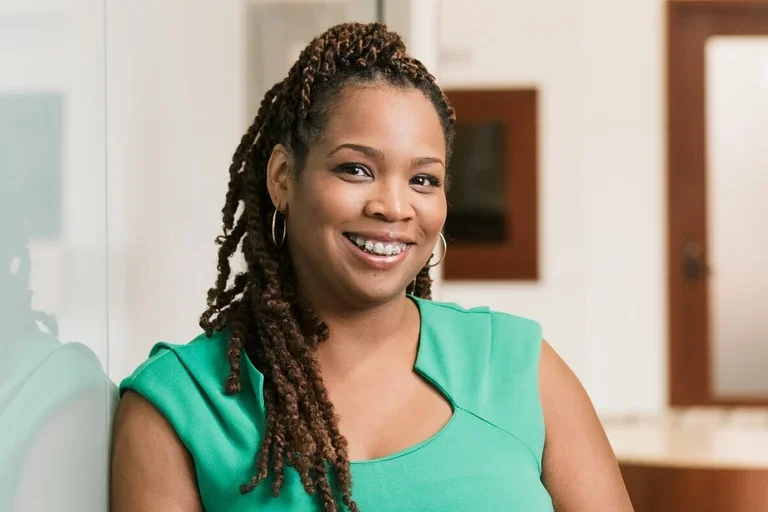
UCLA Nursing's Dr. Kia Skrine Jeffers featured in UC Health news
- Nursing remains a sought-after profession, with strong student demand for nursing programs; however, a national shortage of nursing educators continues to limit the growth of the nursing workforce.
- In celebration of Nurses’ Month, we highlight four UC-trained nurse educators who are delivering patient care and serving as clinical instructors and faculty across California’s public higher education systems. From Sacramento to Stanislaus, Los Angeles to Irvine, these educators reflect the cycle of nursing education as they help prepare the next generation of nurses to meet community health needs.
The future of California’s nursing workforce depends not only on training more nurses, but on preparing the educators who teach them.
By bridging classroom learning with hands-on clinical experience, nurse educators equip future nurses with the clinical skills and the core elements of patient care – such as communication, compassion and trust – that they’ll need to provide high-quality care to communities.
Demand for nursing programs remains high in California and nationwide.
- In the 2024-2025 academic year, more than 80,000 qualified applications to nursing programs nationwide were not accepted.
- The American Association of Colleges of Nursing points to a shortage of nursing faculty and challenges with clinical placement sites as among the primary contributors to nursing program enrollment constraints.
- The nursing faculty shortage is one of the primary contributors to California’s regional nursing workforce shortages
UC is working to address the nursing faculty shortage and broader nursing workforce needs by preparing nurse educators across the four schools of nursing: Betty Irene Moore School of Nursing at UC Davis, UC Irvine Sue & Bill Gross School of Nursing, UCLA Joe C. Wen School of Nursing and UCSF School of Nursing.
Nurse educators train students to understand patients within the context of their communities
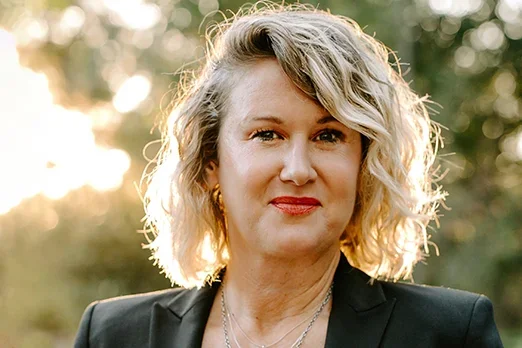
As an assistant professor at the UCLA Joe C. Wen School of Nursing, public health nurse and UCLA alum (MSN, Ph.D.), she emphasizes: “Once someone leaves the hospital, they return home to their communities. That’s where health and long-term recovery often happen. Our work is about supporting people and how they can thrive where they are.”
In her public health nursing course, Skrine Jeffers invites nurses from different public health nursing specialties into her classroom, including those from school-based care, correctional health and disaster settings, to expose students to a broad scope of where nursing care occurs. These real-world perspectives help students understand how environmental, policy and community factors shape health outcomes.
Skrine Jeffers’ role as an educator is also informed by her work with an LA-based safety-net program that provides health care services to low-income residents. “My nursing practice strengthens my research and my teaching, and reminds me of the ‘why,’” Skrine Jeffers notes. “Health and well-being are more than just what’s in [patient] charts…I bring those real-time and real-life stories and experiences to my students in the classroom.”
Related Articles